Posts

Showing posts with the label Gluten

Gluten, Grains, Legumes and Autoimmune Disease
Image
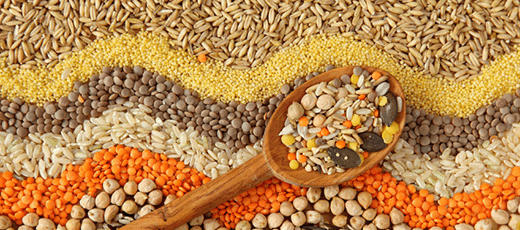
Prominently situated at the base of the food pyramid, grains are promoted as the fiber-rich foundation of a healthy diet. But are grains really a necessary part of your diet, or can they in fact be harmful? If you have an  autoimmune disease , you may already be aware of the fact that gluten, the protein in wheat that gives bread its sticky, doughy texture, is an inflammatory substance. However, wheat is not unique. Many of the plants that we consume contain similar proteins that will increase inflammation in your body and contribute to a  leaky gut . Although most people benefit from avoiding foods such as grains, pseudograins, legumes, and nightshades, I recommend for those with an autoimmune disease to omit these foods from their diets, at least until their inflammation has subsided and their gut has healed. Food Sensitivity  Testing is the best course of action to determine whether or not these foods will continue to be a problem in the future. In order ...

Hot Flashes & Menopause

Image
Non-hormonal relief for hot flashes* Women of all stages of menopause want effective relief and options. An estimated 6,000 US women reach menopause every day. While hormone therapies (HT) have demonstrated reliably effective relief for hot flashes, they also carry a greater risk of adverse events, and may not be recommended for premenopausal women or for long periods of time. And many natural approaches (though often safer) may work well for some women but fail to offer the degree of desired relief for others.* Try the new gold standard for menopausal relief. Estrovera® provides a special extract of Siberian rhubarb known as ERr 731® that has a long history of successful, widespread use and has been recommended by healthcare providers in Europe for over 20 years. ERr 731 does not contain estrogen or have very potent action on estrogen receptors in the body, making it a safer option.* In well-designed clinical studies, ERr 731 has been clinically tested an...

So, What Happens In Your Gut When You Eat Gluten?

Image
Whether you are eating a sugary fried doughnut or organic 12-grain bread, the effects of gluten on your gut are the same. When your meal reaches your intestines, tissue transglutaminase (tTG), an enzyme produced in your intestinal wall, breaks down the gluten into its protein building blocks, gliadin and glutenin. As these proteins make their way through your digestive system, your immune system in your gut, the gut-associated lymphoid tissue (GALT), reviews them for potentially harmful substances. In people who have no issues with gluten, the proteins are absorbed. In those with gluten sensitivity, the GALT identifies gliadin as a dangerous substance and produces antibodies to attack it. In celiac’s, these antibodies don’t just attack the gliadin, they attack the tTG as well, which is what originally broke down the gluten into its two parts. This enzyme, tTG, has a number of jobs, including holding together the microvilli in our gut. Your body collects nutrients by absorbing ...

Do Probiotics Really Work?

Image
Dr. Mark Hyman Investigates -  March 27th, 2017 From Dr. Mark Hyman, Author of   Eat Fat, Get Thin To be frank, our poop and all the bugs that live in there are the great new frontier in medicine. Who knew!? The health of the 100 trillion bugs  in your gut  (which outnumber you 10 to 1) is one of the biggest things that impacts your health. Is it as simple as just  taking a few probiotics  or eating some yogurt?  Not really – we have to learn how to tend the gut flora of our inner gardens by being selective of what we eat and how we live; feeding the good bugs and avoiding  gut-busting drugs and habits – like eating too much sugar and starch, or consuming too much alcohol, or  not managing our stress   (yes, your gut bacteria are eavesdropping on your thoughts). What About Probiotics? This is a huge area of research, and really, we are at the infancy of understanding how to create and use probiotics. Probiotics are popping up...

Hydrochloric acid (HCl) and enzymes for digestion

Image
Do you suffer from acid reflux, indigestion, slow gut transit time, or feeling like there’s a brick in your stomach after eating? Or perhaps you’re on a restricted diet for a chronic health condition but still react to an ever shrinking list of foods. If so, you need to work on restoring digestion. Many factors affect digestion, including aging, poor brain function that affects gut function, poor diet, and more. Often the problem isn’t the food itself, but a hyper sensitive immune system reacting to food proteins that are not broken down properly. Thankfully, you can improve your symptoms greatly with proper supplementation. Breakdown of food proteins is key for good digestion: For good digestion, you need sufficient hydrochloric acid (HCl) and digestive enzyme activity in the gut. These both serve the important function of breaking down food proteins, which prevents the immune system from targeting them and causing symptoms. HCl is naturally present in the stomach and is vi...

Do You Feel Spaced Out All The Time?

Image
5 reasons for brain fog:  Spaced out all the time? Like you’re moving in slow motion through a fog and can’t snap out of it? Though it’s not considered a disorder worth a doctor’s visit, brain fog is nevertheless distressing, disorienting, and difficult to cope with. It’s also a red flag your brain is aging too quickly and that you should take action right away. When your neurons, or brain cells, don’t communicate well with another, this causes brain fog. This poor communication causes overall brain function to slow down and diminish, giving you symptoms of brain fog. The trick is to find out why those neurons aren’t communicating well with one another. A number of reasons, both metabolic (having to do with diet and lifestyle) and neurological contribute to brain fog. In a nutshell, neurons need sufficient fuel, oxygen, and stimulation to function and prevent brain fog. 5 Possible Factor Contributing to Brain Fog: 1. Blood sugar that is always too low or too high...